
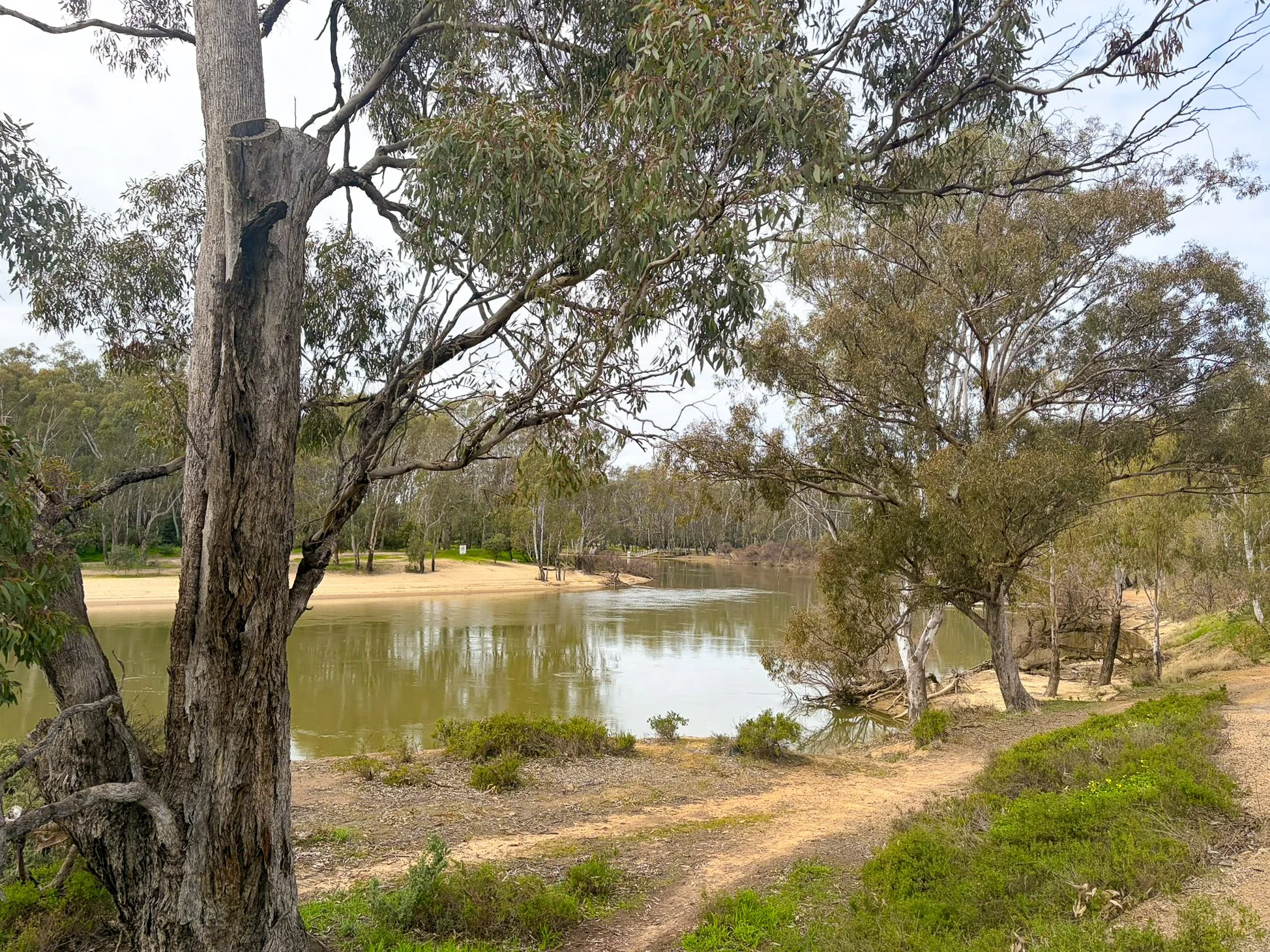
Get the latest updates on the Cobram Structure Plan.
The Cobram Structure Plan is a long term plan that will help guide how the town grows and changes over the coming years.
As Cobram continues to grow, it's important to have an up-to-date plan that sets a clear vision for the future. The Structure Plan will help Council make informed decisions about housing, businesses, transport, open space and community facilities.
It will also look at the future of key commercial and industrial areas to the west of Cobram and consider how these areas can best support the town's long-term needs.
Key Themes We’ll be Addressing:
Making sure there is enough land available to support future housing, jobs and business growth where development can realistically occur.
1
2
Planning the future use and development of key sites across Cobram.
3
Improving connections across Cobram’s commercial areas.
4
Providing a clear long-term vision to guide future land use and development.
Considering how to support the delivery of housing for key workers, such as healthcare professionals, teachers and emergency services staff.
5
Working with the community to explain the purpose of the Structure Plan and how it will help manage Cobram's future growth.
6
Community Q&A Drop-in Sessions
An Issues & Opportunities background report has been prepared, and Council is inviting the community to share their feedback. As part of the consultation, a number of community Q&A drop-in sessions will be held in early December:
Evening session: Thursday 10 December, 5:30pm – 7:30pm Cobram Civic Centre
Morning session: Friday 11 December, 10:00am – 12:00 noon Cobram Civic Centre
Online session: Monday 14 December, 6:00pm
These sessions will provide an opportunity to ask questions, speak with a planner and share your views on the future of Cobram.
Meeting ID: 438 764 106 138 602 | Passcode: A6Y59Xn6
Can’t Attend the Q&A Drop-in Sessions?
If you can't attend a session, you can still have your say by filling out the ‘Issues & Opportunities: Community Consultation’ form below or providing written feedback to Council during the consultation period.
Project Updates
-
Project process & outputs
The Cobram Structure Plan is being prepared over five stages:
Stage 1: Project inception
Stage 2: Background research & review, fieldwork & early engagement
Stage 3: Issues & Opportunities Paper and community consultation (current stage)
Stage 4: Preparation of the Draft Structure Plan & Urban Design Guidelines
Stage 5: Final Structure Plan, Urban Design Guidelines and Planning Scheme Amendment documentation
Issues & Opportunities Report: released for community consultation
The Issues & Opportunities report is part of an early stage of the project and is now available for community feedback. It brings together background research, site investigations and an assessment of Cobram’s existing conditions to identify the key issues and opportunities that should be considered when planning for the town’s future.
The report is divided into two parts:
Part A – Issues & Opportunities: This outlines the key issues, challenges and opportunities in planning for the future of Cobram.
Part B – Background Analysis: Provides the supporting research and analysis that has informed the findings in Part A.
Your input will help the project team better understand local priorities and identify anything that may need further consideration.
How can I have my say?
There will be several opportunities to provide feedback throughout the project.
Council is currently seeking feedback on the Issues & Opportunities Report. This is an early opportunity to share your thoughts, raise any local concerns and highlight what you would like to see considered as Cobram grows.
Your feedback will help shape the next state of the project, including the preparation of the Draft Cobram Structure Plan.
You can provide feedback by attending one of the community drop-in sessions, commenting online or by submitting written feedback to Council during the six-week consultation period.
Community consultation will run from 26 November, 2026 to 1 February 2027.
As part of this process, Council and the Hansen consultant team will be running a number of community consultation ‘Town Forum’ events during early December.
These ‘Town Forum’ events will be run as Q&A drop-in sessions to provide an opportunity to speak directly with a planner, ask questions and find out more about the project. It will also give the project team an opportunity to hear what matters most to the community and understand the local views on the critical issues, constraints and opportunities the Structure Plan should consider.
Details of the sessions are provided below:
Evening session: Thursday 10th December, 5:30pm – 7:30pm, Cobram Civic Centre
Morning session: Friday 10th December 10am – 12 noon, Cobram Civic Centre
Online session: Monday 14th December 6:00
Microsoft Teams meeting
Join: https://teams.microsoft.com/meet/438764106138602?p=OJBcHQ8d92CX4qgyIQ
Meeting ID: 438 764 106 138 602
Passcode: A6Y59Xn6
If you can't attend a session, you can still have your say by commenting online or providing written feedback to Council during the consultation period.
-
The Cobram Structure Plan project has just commenced, and will be developed over the next 12 months, allowing community involvement and input at various points throughout its development and preparation.
Resources
Project Study Area
Once prepared, the Cobram Structure Plan will guide the town’s future growth over the coming decades. It is will consider and provide guidance on key matters of housing growth, commercial development and the accessibility and urban design of the Cobram’s town-centre.
Note: Cobram Strategy Plan 2007 boundary shown
General Comments
Have a question, comment or idea? We'd love to hear from you. Complete the form to share your feedback at any stage of the Cobram Structure Plan project.
Planning Guide
-
Structure planning is the process of creating a long-term vision for how Cobram will grow and change over time.
It sets a shared vision for the future and helps decide where new homes, businesses, parks, roads and community facilities should be located.
-
Preparing a structure plan involves technical investigations into things like flood risk, transport, the environment and the capacity of services such as water and sewerage.
Community feedback is also an important part of the process. Local knowledge helps shape the plan and ensures it reflects what people value about Cobram and their aspirations for the future.
The plan must also align with Victorian Government planning policies and legislation, which guide how councils plan for future grown and development.
-
There will be several opportunities to provide feedback throughout the project. Community input will help shape the vision, identify local priorities and inform the final structure plan.
-
Planning rules guide how land is used and developed. They help ensure new development is appropriate for its location, responds to local conditions and supports the long-term vision for Cobram.
The planning system is made up of four key components: zones, overlays, planning policies and state planning rules.
-
Zones determine how land can be used and developed. They identify where activities such as housing, businesses, industry and farming are appropriate and help guide future growth.
As part of a structure plan, changes to zoning may be recommended to better support Cobram’s future needs.
-
Overlays are additional planning rules that apply to land with specific features or risks. They help ensure development responds appropriately to local conditions.
For example, overlays can address matters such as flooding, bushfire risk, heritage, environmental values and neighbourhood character.
-
Planning policies guide planning decisions by setting out the objectives for land use and development.
They include state-wide policies, as well as local policies prepare by Council to reflect local priorities and the future vision for Cobram.
-
Some planning rules apply across all of Victoria. These state-wide rules cover specific types of development and activities, such as car parking, native vegetations removal, signage and residential development.
These rules work alongside zones, overlays and planning policies to guide how development occurs.